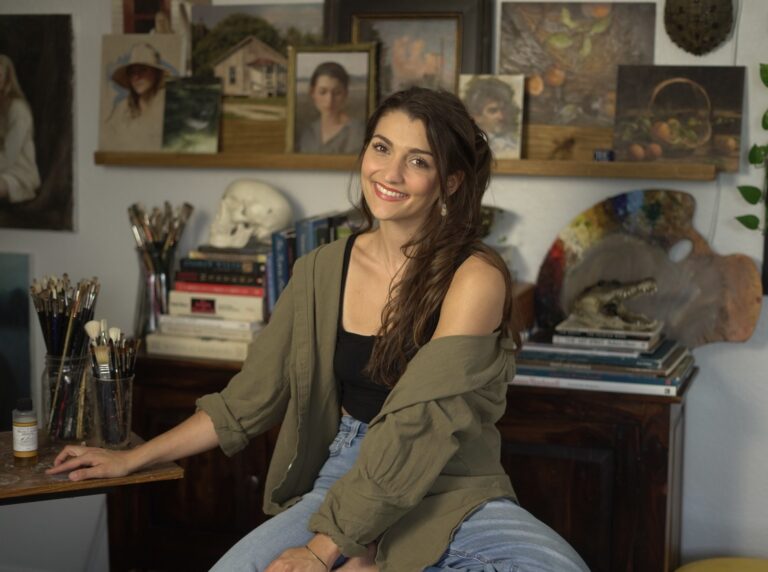
Alumni Spotlight: Kristen Valle Yann (BFA ’18)
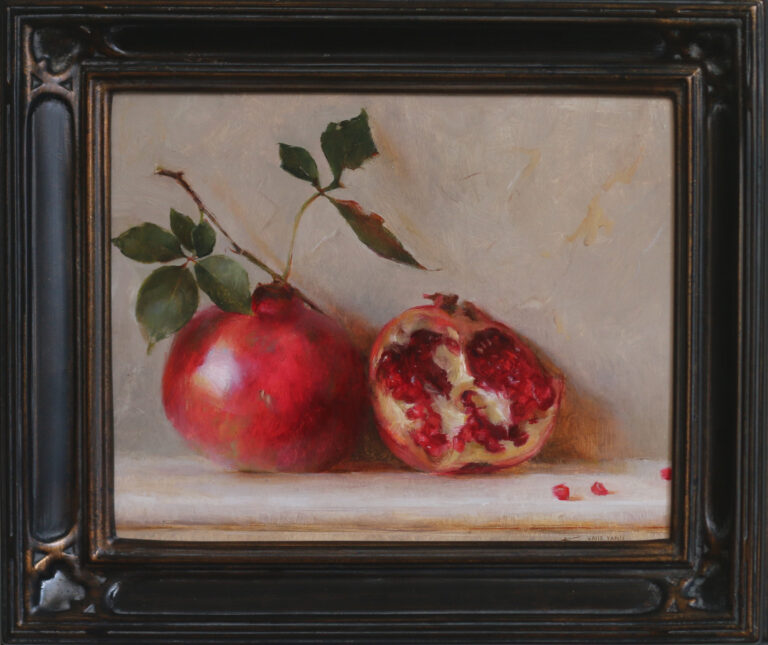
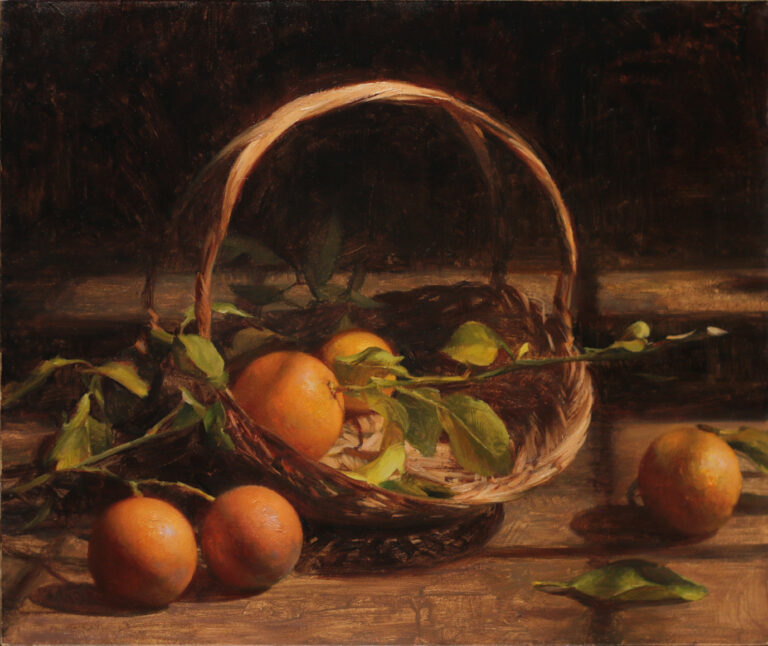
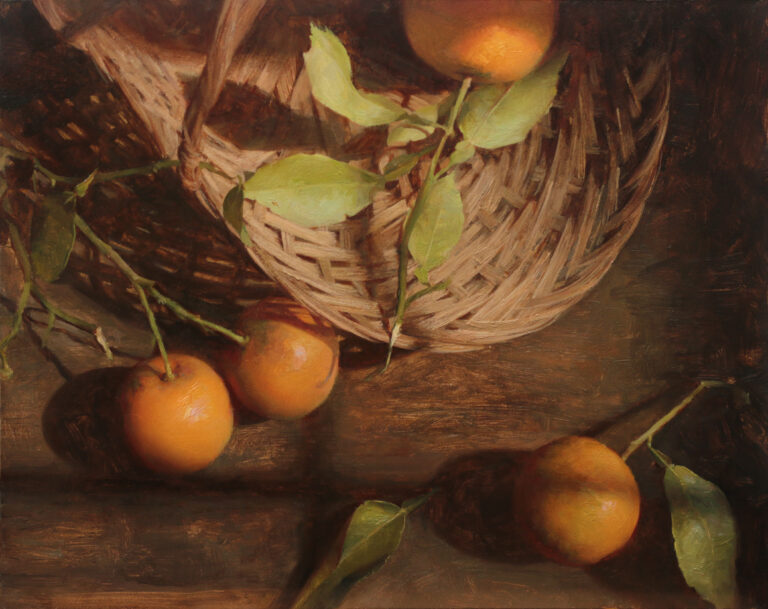
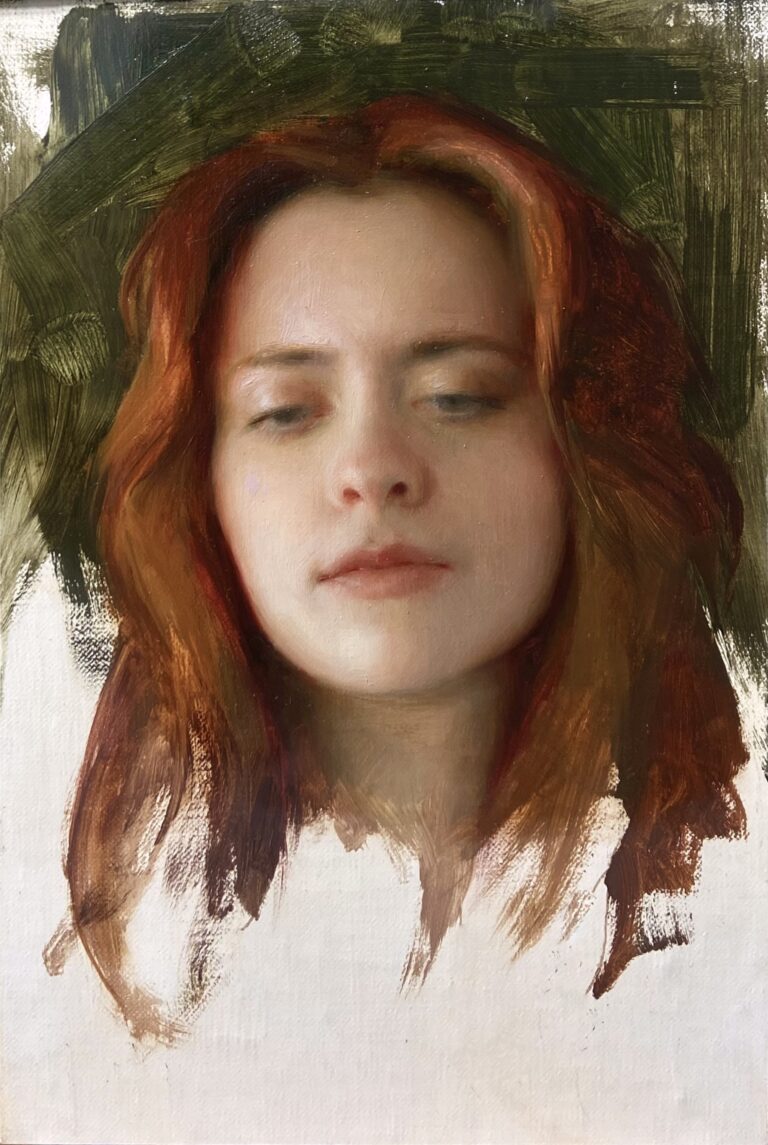
Florida State University alumna Kristen Valle Yann (BFA Studio Art, Painting and Drawing, 2018) has built a flourishing career as a representational oil painter whose work bridges classical technique, contemporary realism, and deeply personal reflections on memory, beauty, and place. Based in Florida, Yann has emerged as a compelling voice among a new generation of painters committed to observational rigor and poetic storytelling through traditional methods.
While at FSU, Yann was among the students who attended the 2017 Portrait Society of America Conference as guests of distinguished FSU alumnus Edward Jonas (1948–2020), a co-founder of the Portrait Society of America. His vision for an educational organization dedicated to advancing representational art helped shape one of the most influential artist communities in the field, offering formative inspiration for emerging painters like Yann.
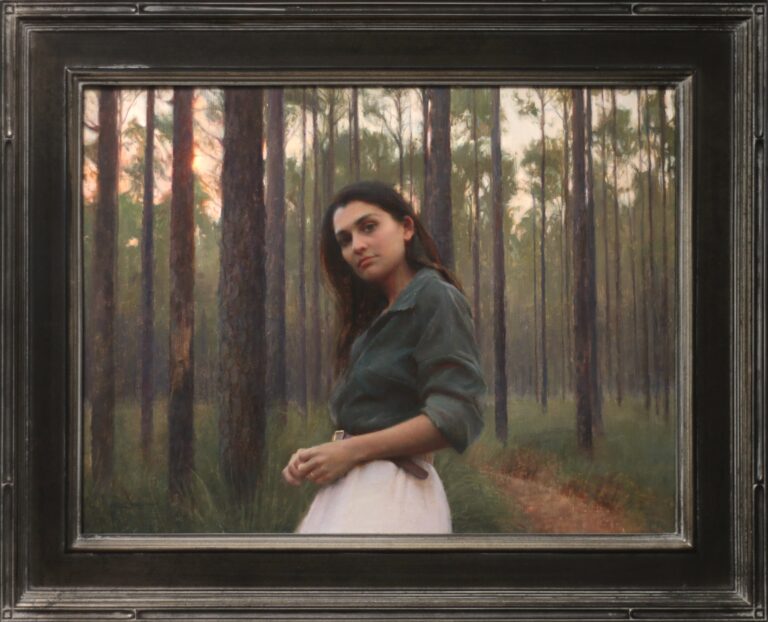
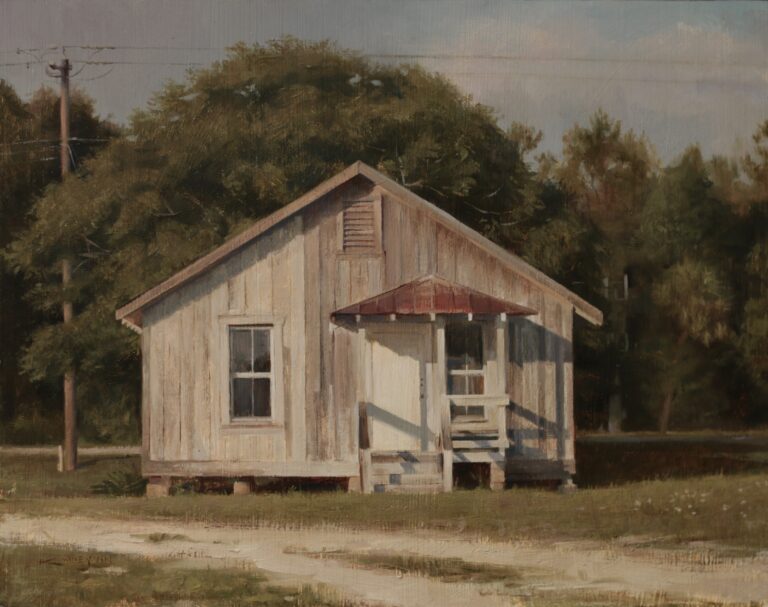
Following graduation, Yann continued to refine her practice through an artist residency at East Oaks Studio in North Carolina before transitioning into a full-time studio career. Her paintings span portraiture, figure painting, landscape, and still life, all marked by contemplative stillness, sensitivity to light, and emotional nuance. Her current body of work, FL GRL, explores old Florida landscapes as sites of memory, longing, impermanence, and cultural transformation.
Yann’s growing national and international recognition includes exhibitions at the Salmagundi Club in New York, the Real Círculo de la Amistad in Córdoba, Spain, the Mountain Oyster Club Contemporary Western Art Show, and solo exhibitions including Dust to Dust. Her honors include the Hudson River Fellowship with Grand Central Atelier, the Portrait Society of America Gordon Wetmore Legacy Scholarship, an Arts Fellowship Orlando award, finalist recognition in the Art Renewal Center Salon, and features in Fine Art Connoisseur, International Artist Magazine, and The Epoch Times.
As the daughter of a Cuban immigrant, Yann’s work is grounded in gratitude, observation, and a desire to create spaces of stillness and reflection. Her practice reflects a deep commitment to craftsmanship and the continued relevance of representational painting in contemporary culture. Her trajectory offers a compelling example of how rigorous studio training can evolve into a thriving professional practice rooted in technical excellence and personal vision.
In this alumni conversation, Yann reflects on her artistic evolution since FSU, her commitment to representational painting, and what she has learned about building a life centered on sustained creative practice.


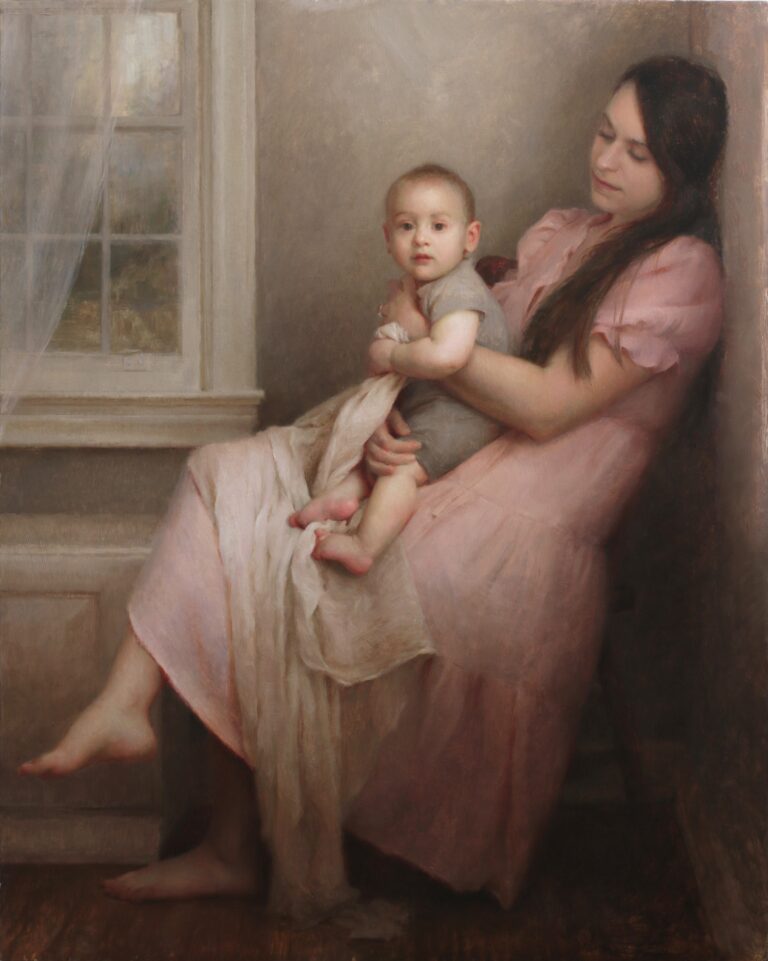
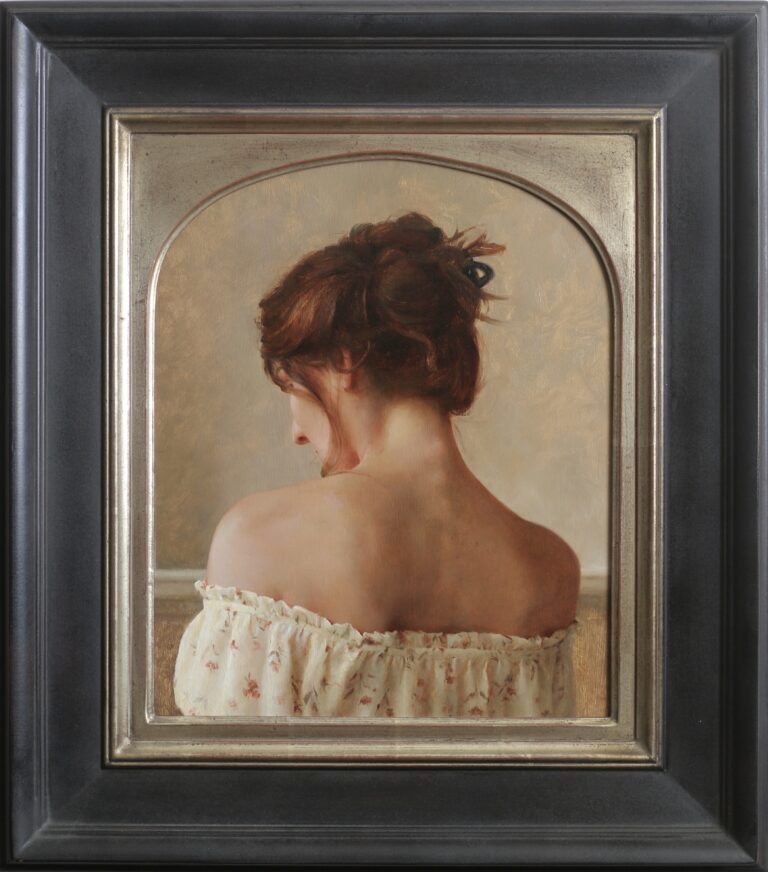
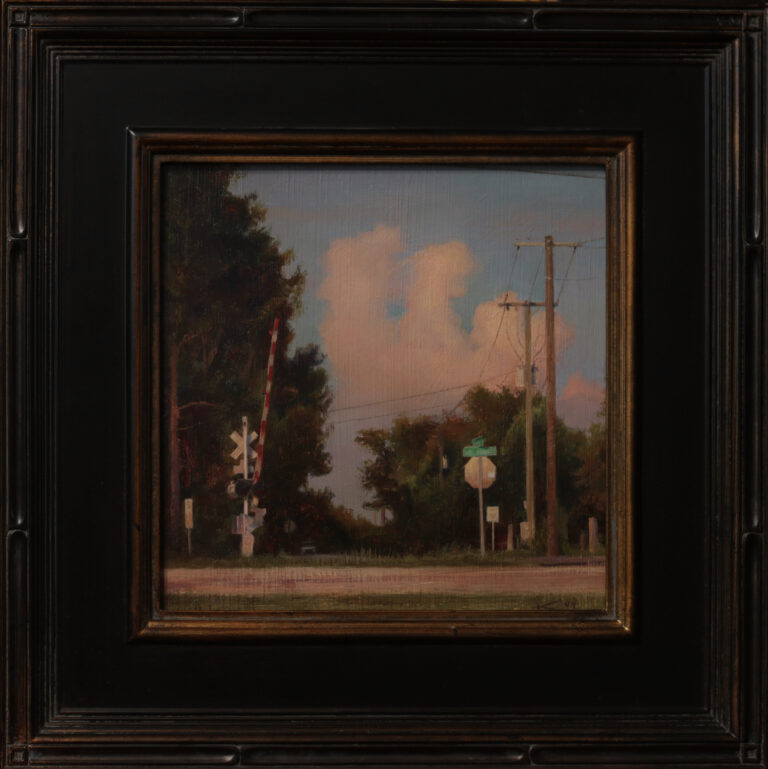
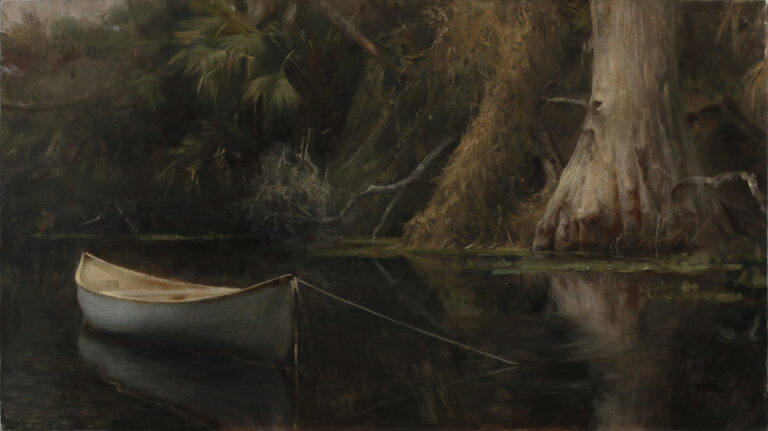
Interview with Kristen Valle Yann
1. Looking back at your time at Florida State University, what faculty mentors, studio experiences, or moments most shaped your development as a painter?
My time at FSU was formative in ways that I’m sure I wasn’t able to fully appreciate at the time. While I entered the program interested in the technical aspects of painting, the faculty challenged me to think critically about my work and articulate why I was making it, not just how to. Looking back, those years were less about finding definitive answers and more about learning how to ask better questions. Many of those questions continue to shape my work today. Carrie Ann Baade was my professor for several classes and my major professor during my thesis year. Her influence had a lasting impact on me and my work. She introduced me to the world of academic realism and showed me that there is a place for it in the contemporary art space. That ultimately led me to pursue additional training after graduation, studying classical approaches to drawing and painting through workshops, residencies, and mentorship opportunities. In many ways, the foundation for my current practice was laid during her classes.
2. Your work reflects a deep commitment to representational painting and observational practice. What first drew you to this tradition, and how has that relationship evolved over time?
To be honest, I’m not sure I’ve fully answered that question for myself yet.. Why representational realism? It’s something I’ve definitely asked myself often over the years.
What I do know is that I’ve always been drawn to truth, beauty, and goodness, and representational painting has felt like a natural extension of that for as long as I can remember. Even as a child, I was drawn to the classical artworks of the old masters. I didn’t have the language for it then, but I remember being deeply moved by the sense of atmosphere, light, and emotional weight of those works. There was something about them that felt more real than real life. Not because they were literal, but because they carried a kind of emotional truth I instinctively recognized.
That early attraction never really left me. I guess what has changed over time is how I understand it. My work is still rooted in observation, but I’m less interested in simply describing what I see or making something “pretty.” I’m more interested in what the visible world holds beneath the surface (memory, nostalgia, longing, and how we experience place and time). Technical skill matters to me, but only insofar as it serves something deeper.
3. Your current body of work, FL GRL, explores memory, impermanence, and the changing landscapes of Florida. How did this project begin, and what emotional terrain are you exploring through it?
FL GRL began as a response to grief really. Growing up in a small rural town in Florida, and witnessing how quickly the landscape of my childhood began to change over the years. Orange groves have become subdivisions, cow fields turned into strip malls, and familiar places have slowly slipped into something unrecognizable. That transformation created a lingering sense of dislocation and an awareness of how little control we have over change, which became the foundation of the work.
At its core, my work explores the ways memory tries to preserve what time has already begun to erase, whether that’s a place, a person, or even a former version of ourselves. The paintings translate that experience through images of landscapes and figures that function less as fixed records and more as fragments of my memory. It’s not really a documentation of rural Florida itself, but more so the documentation of my own wrestlings with loss, longing, nostalgia, and change through the lens of the place that shaped me. Over time, the project has become both external and internal at once, where place and self begin to mirror one another.
4. Your paintings often feel quiet, contemplative, and emotionally resonant. How do you think about atmosphere and stillness as narrative tools within your work?
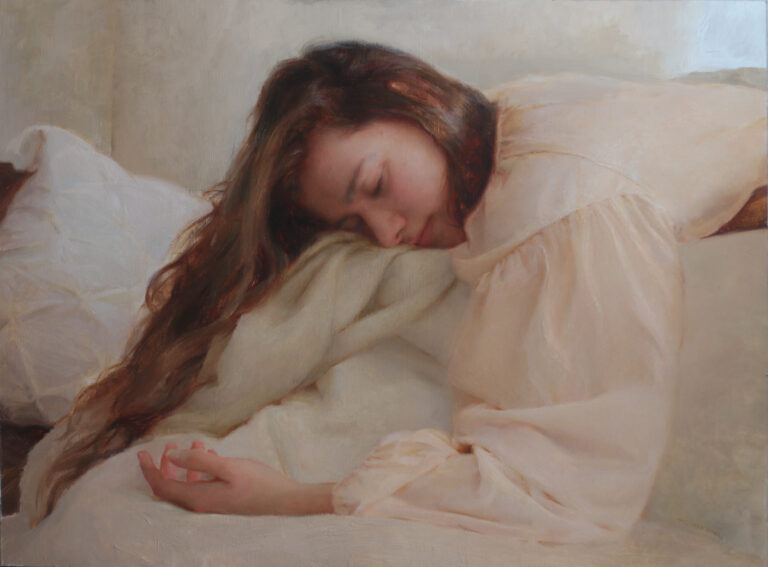
I’m generally less interested in telling a specific narrative/story and more interested in creating space for reflection, where viewers can bring their own experiences, memories, and questions into the painting. Much of my current work deals with themes of longing, impermanence, and the passage of time, and those themes feel quieter by nature. So instead of depicting dramatic or defining moments, I’m drawn to the spaces in between…The pause after something has changed, the lingering feeling of a memory, or the awareness that a place or season of life is slipping away. I think atmosphere plays an important role in that. Through light, color, and soft edges, I’m often trying to create a sense that the image exists somewhere between memory and reality. I want the paintings to feel familiar but slightly out of reach. That ambiguity creates space for contemplation and, hopefully, invites viewers to slow down and sit with the work rather than immediately consume it. They aren’t trying to offer answers as much as they are making room for reflection.
5. Since graduating, you have built a full-time studio practice with notable exhibitions, fellowships, and national recognition. What were the biggest challenges in making that transition from student to professional artist?
One of the biggest challenges was realizing that being a full-time painter involves much more than just making paintings. When I graduated, I naively thought that if I worked hard and made strong work, I would automatically be able to make a living from it. The reality was more complex. I graduated with student debt and knew that if I wanted the freedom to pursue painting full-time, I first needed to be debt free. That meant taking a job right out of school that I hadn’t necessarily envisioned for myself and spending that time working toward a financial cushion. At the time, it felt like a detour, but looking back, it was one of the most important investments I made in my career.
But even after that, I had to learn that being a professional artist also means running a small business (handling marketing, galleries, SEO, professional relationships, and all the responsibilities that exist outside the studio). The ongoing challenge has been holding all of that without letting it dictate the work itself. There’s always pressure to be “marketable”, but I’ve found the most meaningful work comes from staying close to the questions and experiences that genuinely matter to me. Learning to balance sustainability with staying true to my voice has been one of the most important lessons of my transition from student to professional artist.
6. Your training includes strong ties to contemporary realism and observational painting communities. How have fellowships and mentorship beyond FSU shaped your growth?
After graduating, I did an artist residency at East Oaks Studio (Raleigh, NC), which was one of the most formative experiences in my development. It wasn’t a structured, curriculum-based program, but more of an open studio environment where I was able to learn by observing master artists I deeply admired and immerse myself in their working process. It was there that I really learned discipline. Not just conceptually, but practically. I treated my studio practice like a job, waking up every day, being in the studio by 8AM, and working until 5:30PM. That structure taught me how to show up consistently, especially when I didn’t feel inspired. I was exposed not only to traditional academic approaches to painting, but also to the business side of sustaining a studio practice. The combination of discipline, mentorship, and observation had a lasting impact on me and ultimately was what got me into my first gallery.
7. As an artist working within traditional techniques in a contemporary context, what do you think representational painting uniquely offers audiences today?
As mentioned above, I still wrestle with fully articulating why representational painting is the vehicle I personally use to interpret the world. That said, I think there’s something refreshing about realism in a contemporary art world that often leans toward abstraction, concept, or distortion. A lot of images today ask you to “decode” them before you can really feel anything. Representational painting is automatically recognizable. A face, a figure, a landscape, a moment. It doesn’t require translation to enter. Because of that, it feels open and resonant in a very human way. I don’t feel that accessibility makes it simple or straightforward, I think it actually allows for deeper engagement, because the viewer isn’t trying to solve the image first. They can just be present with it.
8. What advice would you offer current FSU painting students who hope to build sustainable careers as professional studio artists?
First, focus on becoming the strongest artist you can be. Technical skill matters, and developing your craft will open doors throughout your career. At the same time, don’t neglect the deeper question of what genuinely interests you. The work that endures is usually rooted in personal convictions rather than trends.
Second, think practically about how you support your practice in the real world. Like I mentioned before, becoming debt-free was a huge part of that. This profession is really feast or famine and very unpredictable at times. Make sure you financially prepare yourself for that in order to give yourself room to create freely.
Lastly, understand that building a career takes longer than expected. Consistency matters more than quick success. Continue making work, applying for opportunities, learning, and try not to measure your progress against someone else’s timeline. Discipline is essential. Treat your studio practice like a job, show up consistently, and build structure around your work even when motivation is not there.
See more here:
https://www.kristenyann.com/
https://www.instagram.com/kristenyannart/
https://www.youtube.com/watch?v=tYbGGJIOQcQ&t=5744s
https://www.theepochtimes.com/bright/painting-for-god-kristen-valle-yanns-blossoming-art-4264503?utm_source=ref_share&utm_campaign=copy&rs=0