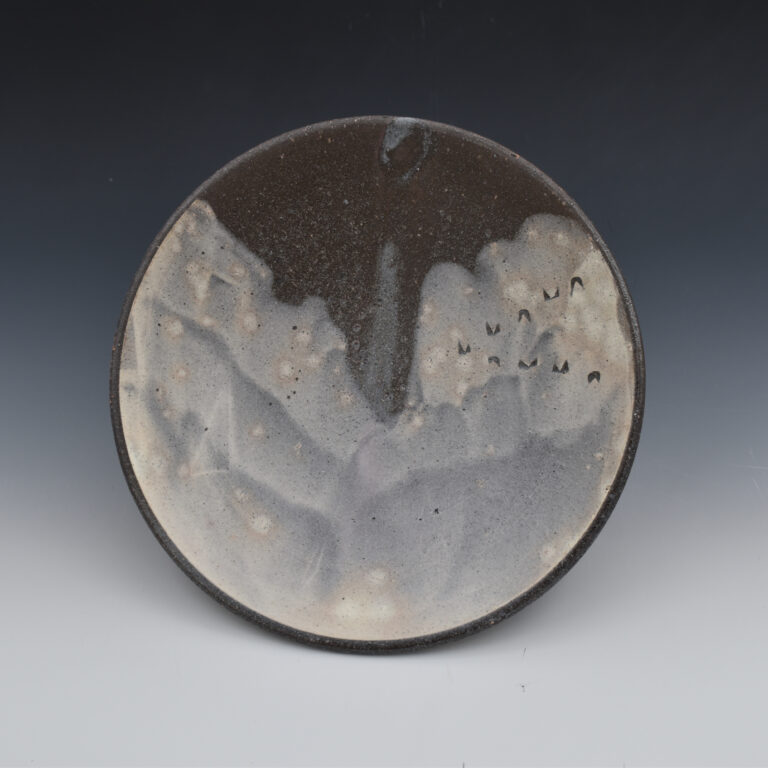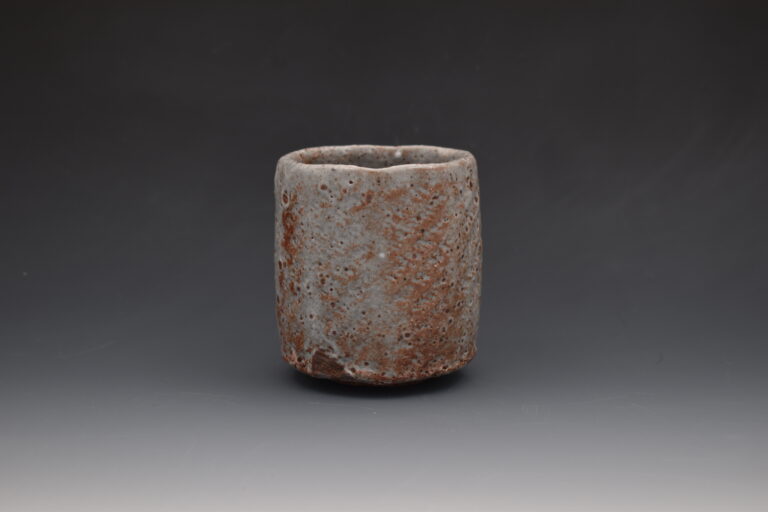
I fire most of my work in a natural gas fired kiln. Firing in this way allows me to starve the kiln’s atmosphere of oxygen, causing the iron in the clay to melt and migrate to the surface of the work where slip and glaze has been applied. The alchemical process of reducing oxygen in the kiln enhances the subtleties of surface texture and mark making that I consider essential to what I am communicating. Knowing that clay is sensitive to the subtleties of hand processes and tools, I imbue my work with integrity both conceptually and physically through collecting material in the southeastern U.S., tool making, and wheel building. In choosing local materials that are not processed thoroughly for the ceramics industry at large, I welcome the complexities and challenges that each material and place offers. While this process can be harnessed, the exact result is impossible to predict. I see this as the ultimate collaboration between myself as a maker and the forces that create and govern the natural world. Pottery encourages community through food, forms long and intimate relationships with its users, can live for many years, and is fragile enough to be gone in an instant. No matter how it takes form, it is the possibility of my work intervening in the cycle of users’ lives that compels me.
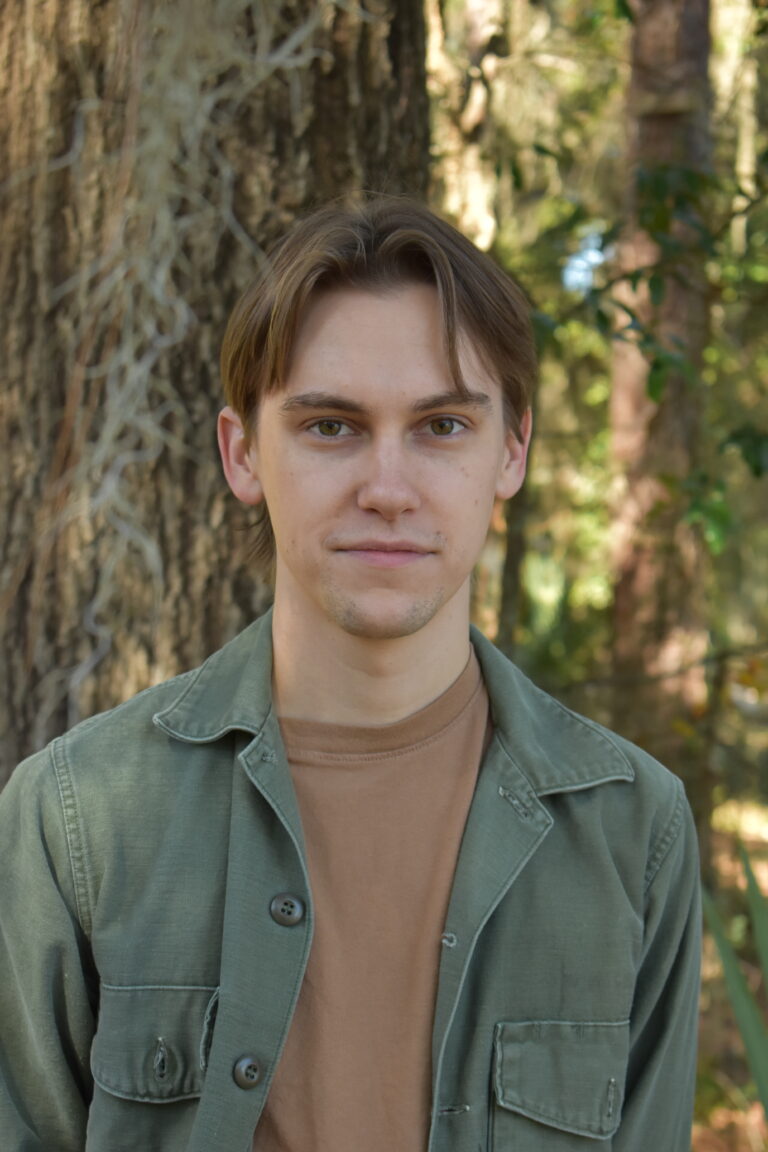
“Being at FSU has pushed me to reconsider the choices I have made for my work. Opening myself to new conceptual possibilities allows me to focus on decisions that translate to the viewer/user more readily. None of this would be possible without meaningful connections with faculty who are invested in my development.”