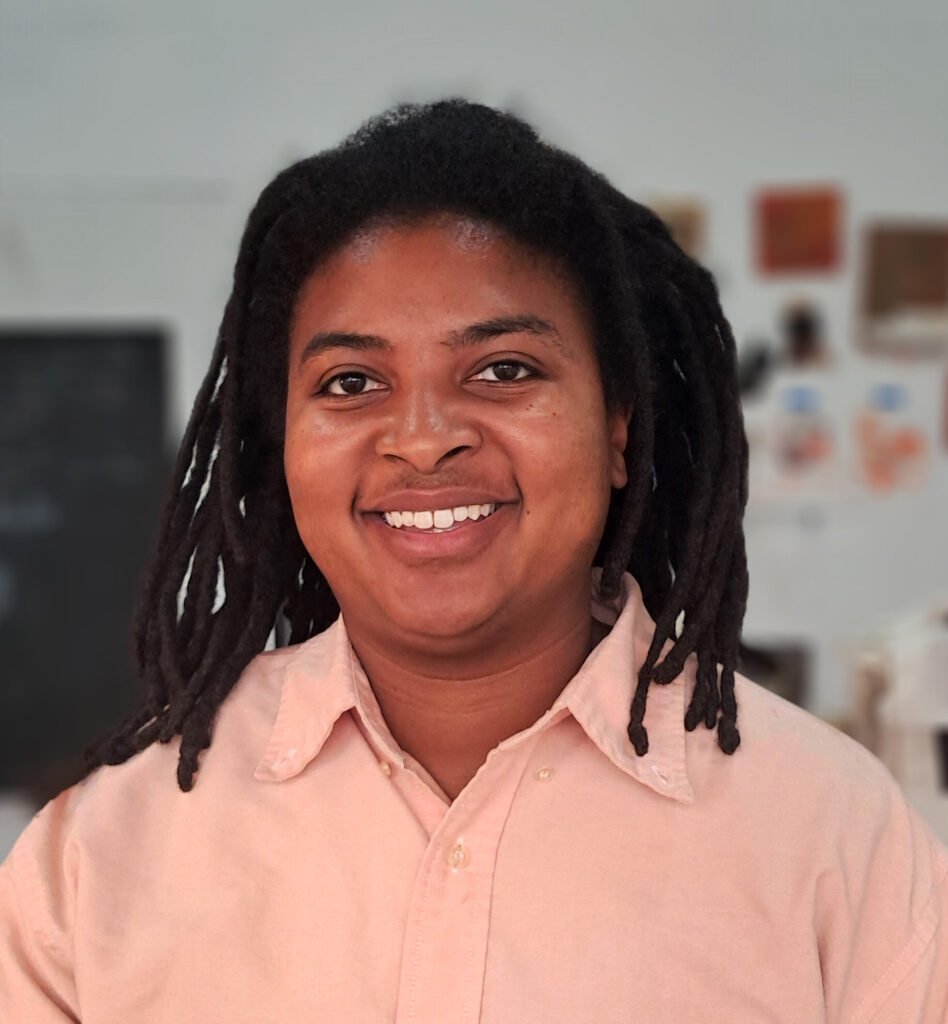
Alumni Spotlight: Kiara Gilbert (BFA ’19)
Art, Justice, and Community
Florida State University alum Kiara Gilbert (BFA Studio Art, cum laude, 2019) has built a remarkable interdisciplinary career at the intersection of socially engaged art, research, activism, public humanities, and community-centered practice. Their trajectory demonstrates the expansive possibilities of an art education when creativity is paired with critical inquiry, civic engagement, and a commitment to social transformation.
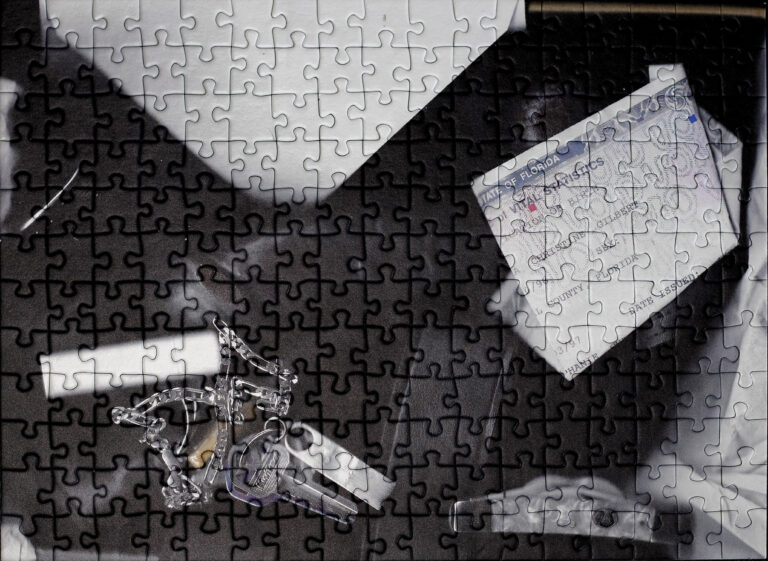
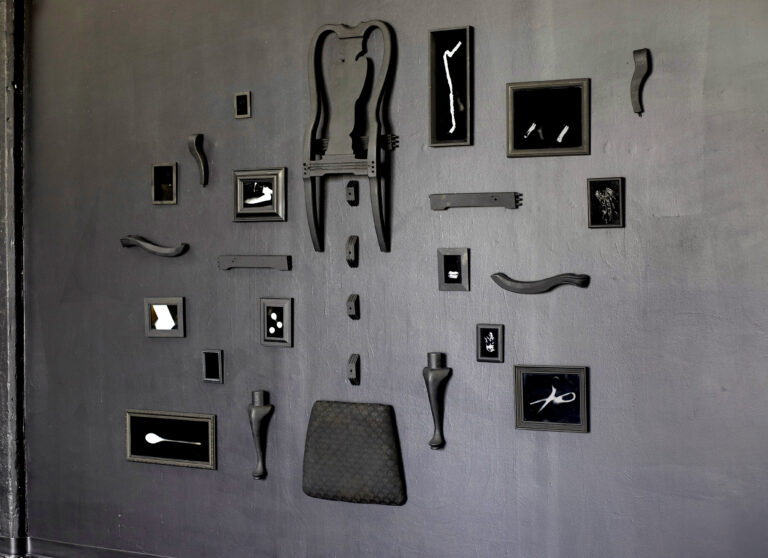
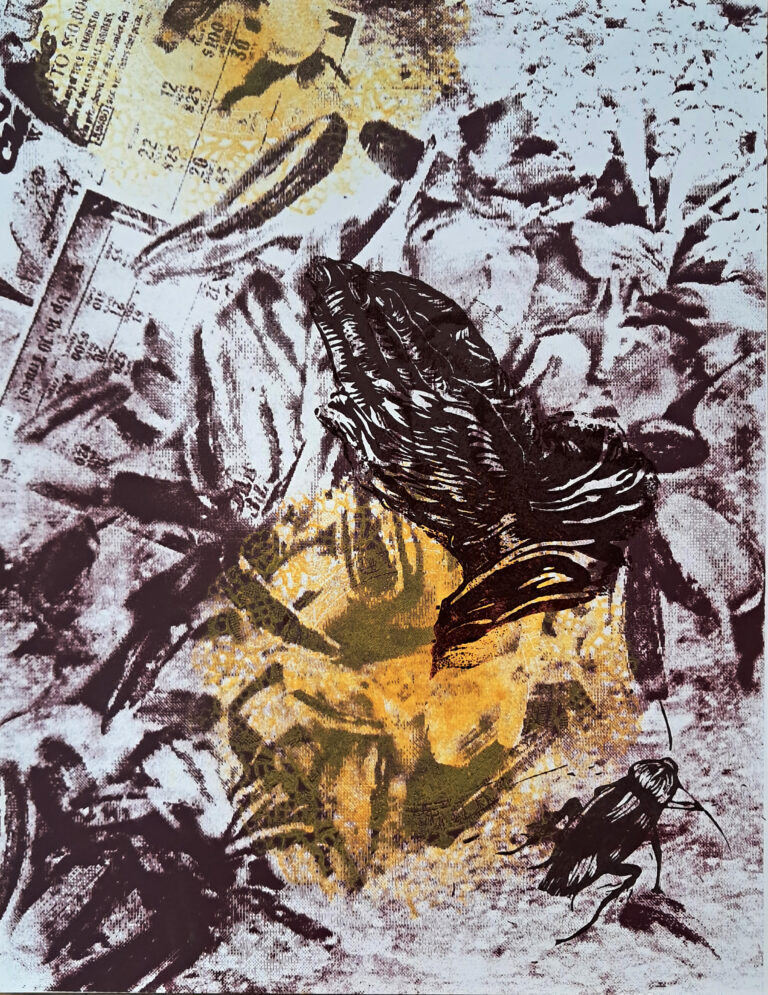
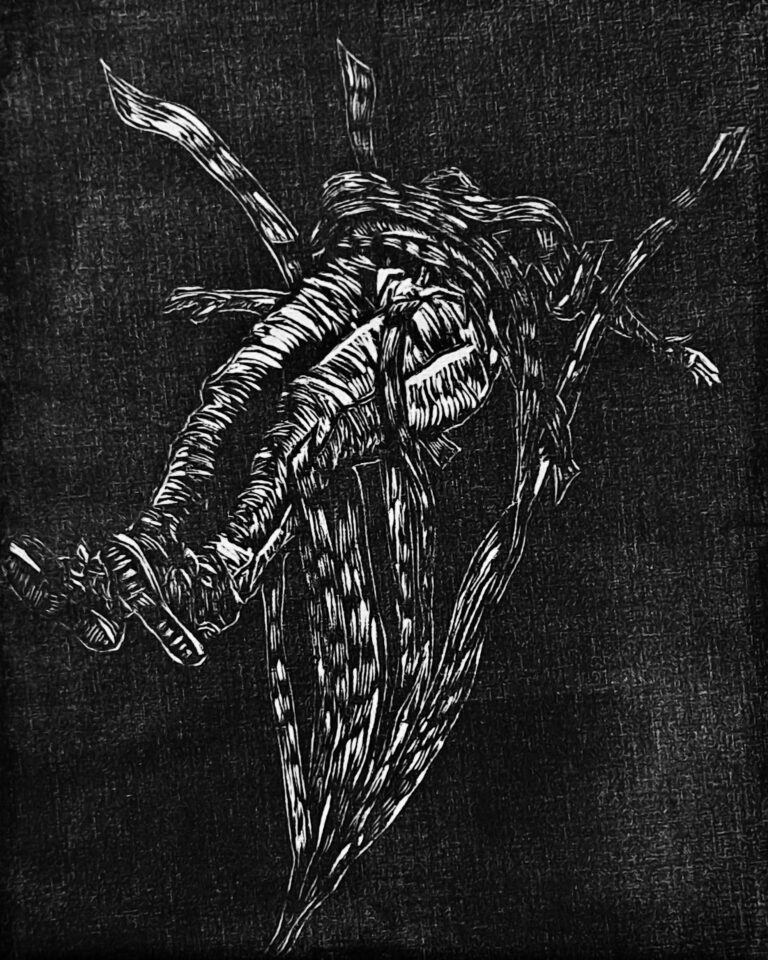
Born in Jacksonville, Florida, Gilbert attended the historic Douglas Anderson School of the Arts before earning their BFA from Florida State University. Now based in Atlanta, Georgia, they have developed a practice that explores how emotional landscapes are shaped by the lived experience of growing up Black and queer in the American South. Through printmaking, sculptural installation, research, writing, and public engagement, their work examines race, memory, representation, structural inequity, ancestral resilience, and the social function of art.
Gilbert’s work is deeply informed by a commitment to dialogue, healing, and the transformative potential of cultural practice. Their installations and works on paper create spaces where personal narrative and collective history intersect, addressing experiences of frustration, love, loss, longing, resilience, and triumph.
Their growing recognition includes participation in Humanity in Action’s Berlin Fellowship, an international leadership program supporting emerging changemakers working across democracy, human rights, and social justice, as well as selection as an Arts and Social Justice Fellow at Emory University, where their interdisciplinary practice expanded through collaborative research and public-facing engagement. Gilbert was also a MINT Leap Year Fellow in 2021–2022 and has received honors including the Six Creative Grant and the Janice Hartwell Award in Printmaking. They are currently artist-in-residence at the Hapeville Depot Museum, continuing to develop a practice grounded in research, community engagement, and socially conscious creative work.
What makes Gilbert’s trajectory especially compelling is the way they refuse rigid boundaries between artist, researcher, organizer, and advocate. Their career offers a powerful model for artists who understand creative practice not only as image-making, but also as a means of intervention, collective care, dialogue, and systemic critique.
For students interested in socially engaged art, interdisciplinary practice, public scholarship, or careers at the intersection of creativity and justice, Gilbert’s path offers an inspiring example of what an FSU art education can become.
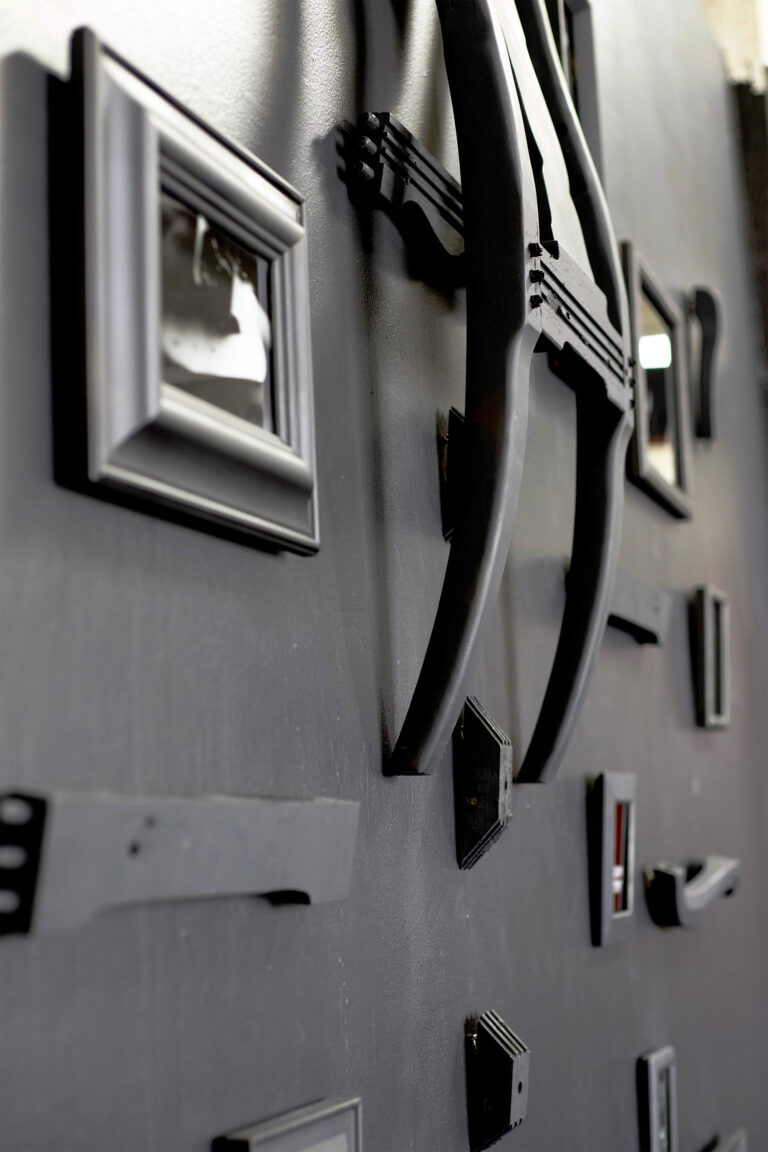
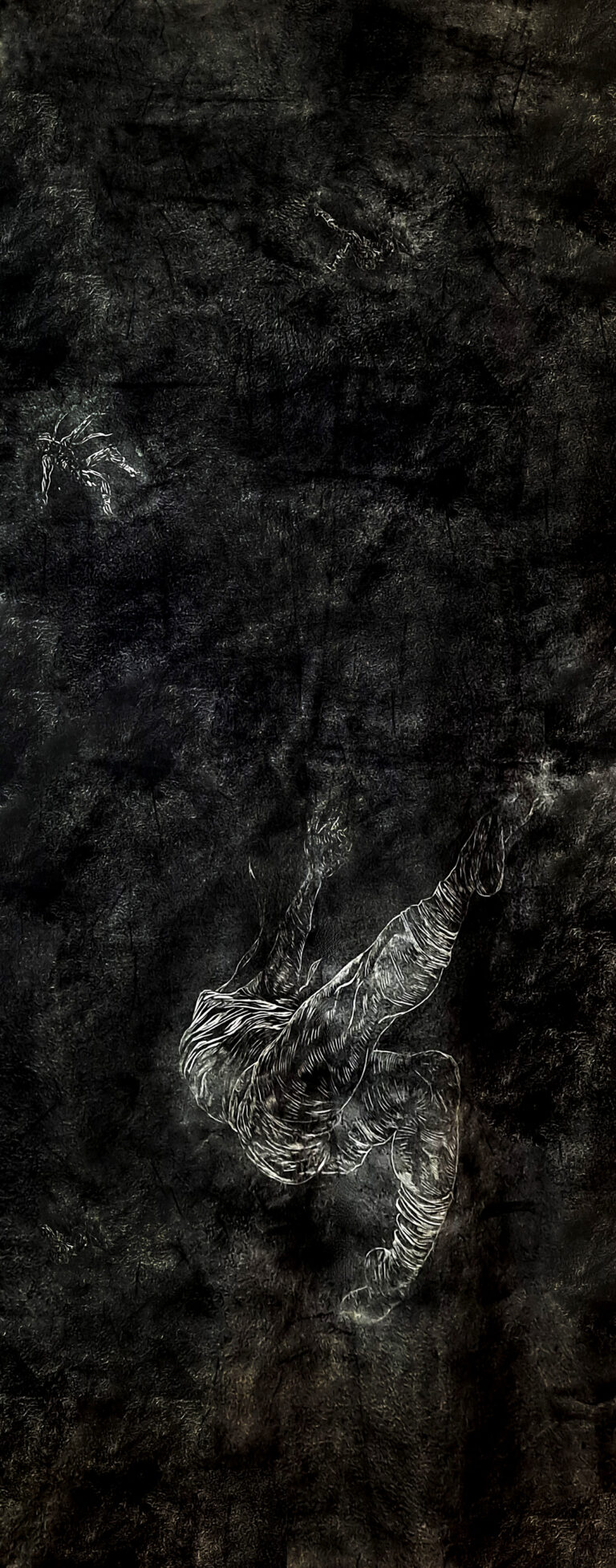
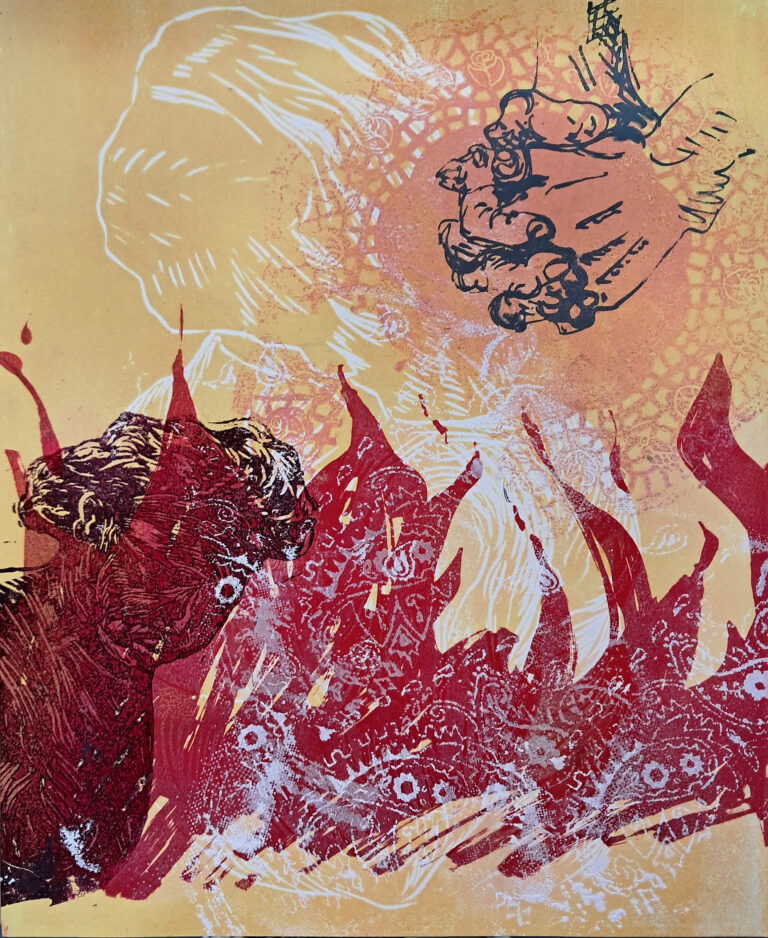
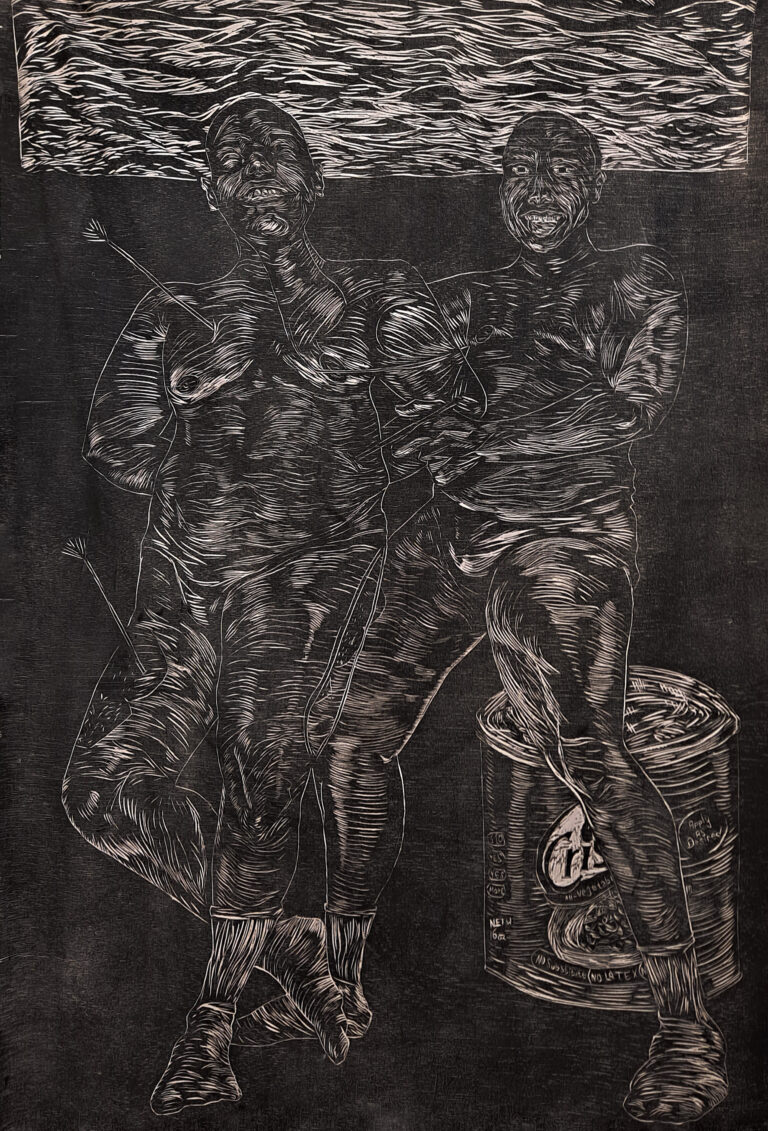
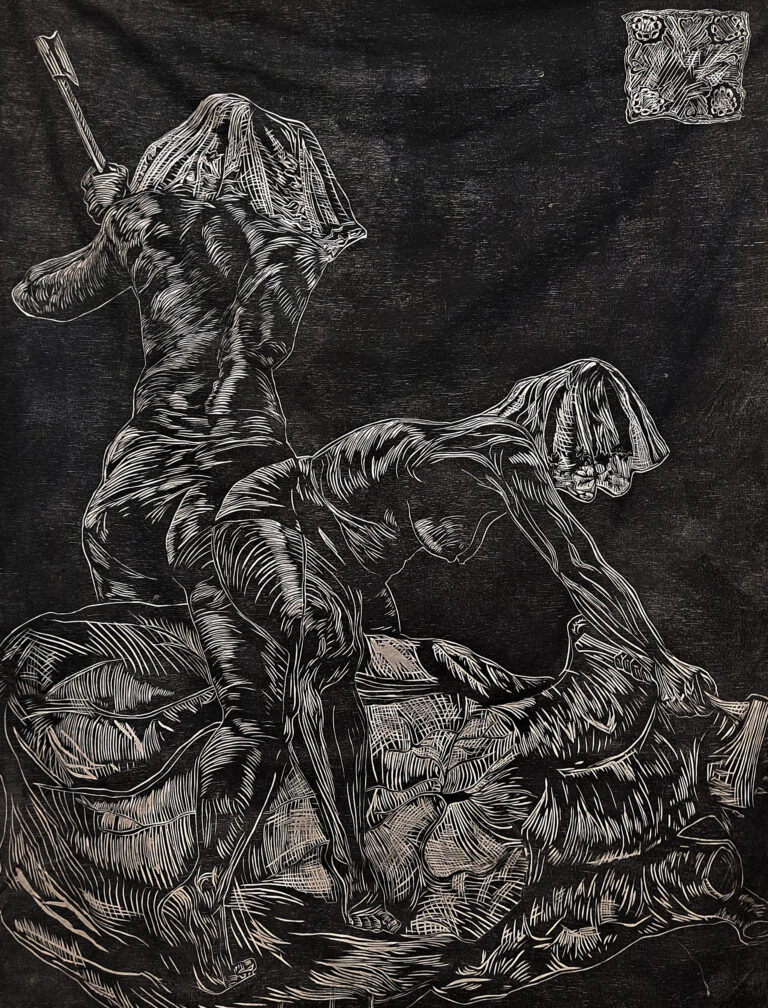
In this alumni conversation, Gilbert reflects on their journey since Florida State University, the evolution of their socially engaged artistic practice, and what they have learned about building a meaningful creative life rooted in justice, dialogue, and community.
- Looking back at your time at Florida State University, what experiences, faculty mentors, or moments most shaped your development as both an artist and critical thinker?
During my time at Florida State, being able to experiment with materials and getting feedback from my peers was extremely influential in shaping the way I approach my practice. Some of the faculty and staff members that influenced me the most were Denise Bookwalter and Haley Lauw, who exposed me to new techniques and stretched my abilities as a printmaker. I was also encouraged and influenced by Anne Stagg, Carolyn Henne, Rob Duarte, and Lillian Garcia Roig, who all made time to expand my practice through critique and aided my material exploration beyond print.
- Your work exists at the intersection of art, social justice, public engagement, and historical inquiry. When did you begin to understand art as a tool for advocacy, dialogue, and systems-level critique?
I think I’ve always understood art as something that has a human perspective. My earliest recognition of its power to steer conversations likely came from watching a ton of movies as a kid. I would rush to finish my homework so I could watch whatever movie was on TV that day. It would usually be something like Sleeping With the Enemy, The Breakfast Club, or another equally intense drama from yesteryear. The genre was so fascinating to me because I could easily tell that action movies, sci-fi, etc. were meant to be fake, so it made sense that no one looked or acted like a real person, but in a movie like The Breakfast Club, where things are meant to be more grounded, the characters felt equally surreal. Recognizing that the disconnect came from the way none of the characters looked or acted like anyone I knew, not only because of the language of cinema, but also because of different racial, class, and temporal backgrounds that the characters were tapping into. I became enthralled with the suspension of disbelief necessary to immerse myself in the worlds that would appear on screen. One thing that never failed to take me out of the experience was a sloppy. off-color stereotype or punchline. It was always so annoying to me that someone would bother to create a whole elaborate world full of depth and romance, then intentionally add a line that showed the speaker to be racist, misogynistic, homophobic, or otherwise cruel to marginalized people. This caused me to be a bit more discerning in my media diet. This is also where I began to seek out varied perspectives in books, film, and eventually the archive. The more I saw from creators of different backgrounds, the more I started to recognize patterns, born from power structures, made to subjugate people that look like me. I realized, through ingesting narratives that rankled me, that art was a reflection of the world as interpreted by the artists, who choose where and how to warp that reflection in their work.
- Your path includes prestigious interdisciplinary fellowships like Humanity in Action and Emory’s Arts and Social Justice Fellowship. How did you begin identifying and pursuing opportunities that connected creative practice with civic impact?
I am always looking for new opportunities via posting boards, social media, and word of mouth. I find that the more consistently I look, the more I find. This is especially true because social algorithms cater to things that hold your attention, so when I like, save, or otherwise interact with a post about an opportunity that aligns with my practice, the algorithm will feed me more. It also goes back to art being one facet of my life. My background in political science and organizing means that I’ve connected with plenty of people doing cool work who are often happy to share their last opportunity, or let me know of something that may be up my alley. Forming meaningful relationships with people who have similar interests outside of art is how I incorporate my art practice into my civic engagement practice, and how I find relevant opportunities.
- Much of your work engages difficult histories, equity, and collective memory. How do you approach the ethical responsibilities of making socially engaged work?
The funny thing is, I think every artist engages with these concepts. No medium or image is without history, and every work of art carries a ton of baggage surrounding equity, whether it’s about the person who makes it or the place where it’s shown, etc. I think the responsibility is in acknowledging the factors that are at play in my life and, by extension, my creative process. I also think there is an ethical duty as a researcher to double-check your facts and make sure you know your sources well enough to defend the work or answer questions in whatever setting you decide to show it in. That is something I take pretty seriously. Even though I have a goldfish memory, I try to make sure that if someone asks me about a piece, that I’m comfortable enough with the subjects I speak on to give a plain spoken run-down. The flip side of that is allowing myself to not know things and be checked by people who may know more than me. Especially dealing with queer, black history, so few things are documented, so I’ve occasionally run into an elder who will tell me that my understanding of that time is missing this or that. It’s really important to me that I lead with humility whenever that happens, and hopefully make room for a dialogue that allows us to better understand how our worlds connect.
- Your practice moves fluidly between visual art, writing, research, and community engagement. How do these different modes of working inform one another?
Working with different techniques and modes of engagement helps to prevent stagnation and unproductive rumination in my practice. So much of my work is me, alone with the materials, which is crucial, as well as a really good way to lose touch with reality. By talking to other researchers, going outside, and experiencing life, I ground myself in my body. Staying connected to the world consistently exposes me to nuances that make me a more empathetic researcher. It’s that empathy that allows the subjects to influence my ideas and determine what medium is best for a given concept.
- Many art students are not shown clear models for careers that blend activism, scholarship, and creative practice. What helped you imagine and build this path?
This path felt very natural to me. Art has always been something that was a part of, and informed by, my life. As I grew into adulthood and created the kind of life I wanted to live, filled with people who show me new ways to exist and care for one another and the space we share, it was natural to make work that reflected my world and the circumstances that allowed me and my loved ones to exist in the same ecosystem.
- What challenges have you faced in sustaining a practice that exists between art, public humanities, organizing, and social change work?
I face the same challenges most practicing artists feel in the United States. We live in a country that fundamentally does not support the arts enough to make it a viable career for many. Because of this, I occasionally work unrelated jobs while creating my own art opportunities, in addition to running the day-to-day business operations of my art career.
- What advice would you offer current FSU art students who want their creative work to meaningfully engage contemporary social issues or public life?
No one is ever done with their political education. If you want to engage with contemporary issues, it’s vital that you’re reading scholarly or journalistic material about the world at least a couple of hours a week. And not just about the one issue you make work about. Nothing exists in a vacuum. In that same vein, collaboration is key. Reach out to local groups and make your own opportunities. Oftentimes the coolest projects don’t have funding pre-attached, but if you have a friend doing impactful work, figure out how to maximize that impact with your artistic skillset. Document your projects really well, especially if you’re making up your own opportunities. There are a ton of grants out there. If you can show that you’re a self-starter who can follow through on a concept, you’re way more likely to get your next project funded off the strength of previous work, and that is the kind of momentum that makes a career. Take a business class. It doesn’t have to be in undergrad, most cities have a small business association with resources. The business part is the hardest part, but if you stay organized and learn as much as you can up front, you have a better chance at being able to make art your main job. Last, but not least, keep the fun meter high. There has very famously never been a chill time to be a black person in the United States of America, and running a small business can be harrowing, but it’s way more revolutionary to maintain a practice of optimism, so that I can enjoy my life while building a better future with my community, than it is to succumb to despair.